Maggi's Competitors Are Here — 200+ Brands Want a Share of ₹13,000 Cr
How challengers are cracking the unbreakable moat of Indias most dominant FMCG brand.
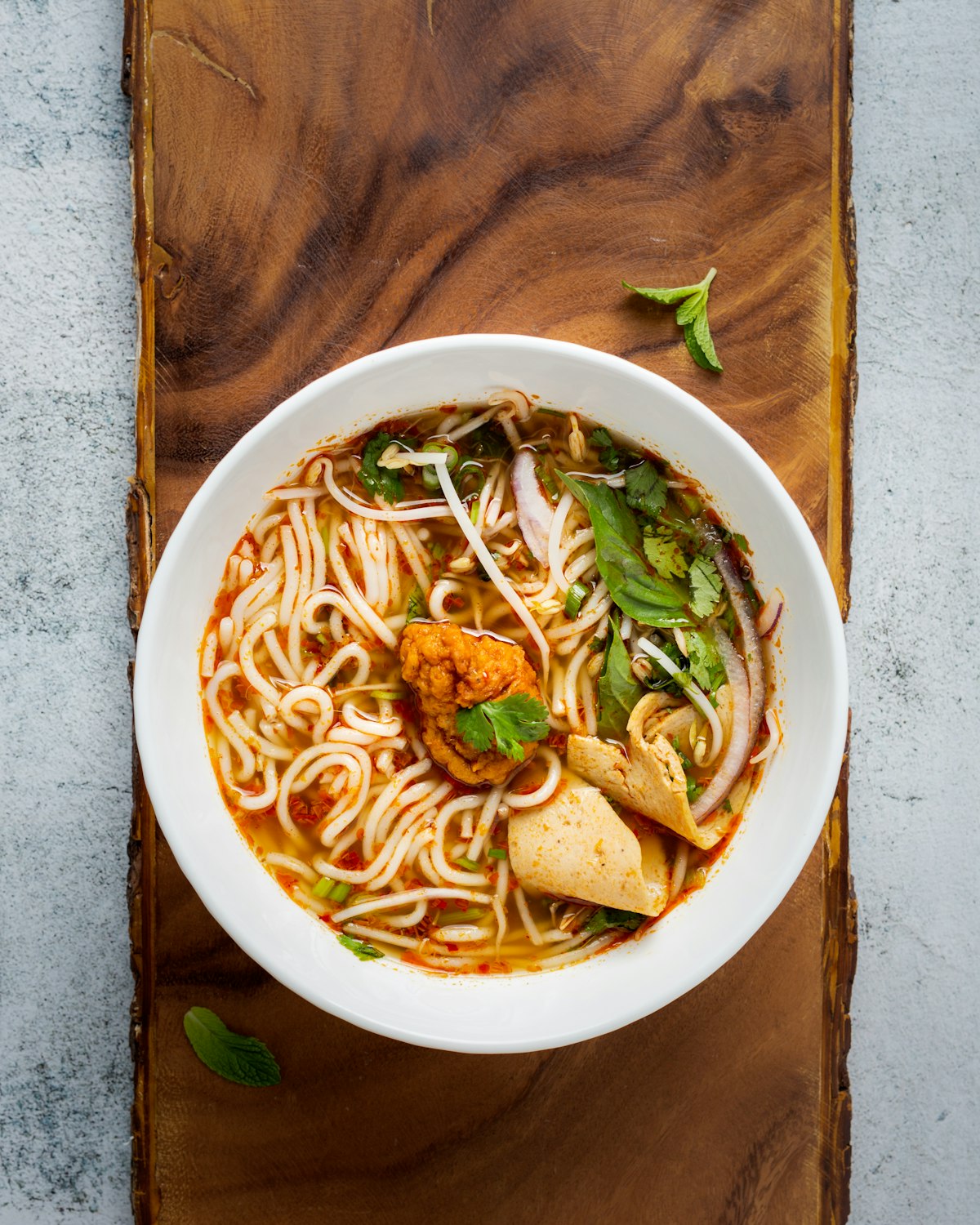
How challengers are cracking the unbreakable moat of India’s most dominant FMCG brand — without fighting it head-on
If you’ve taken a business course, you know large product categories fragment easily. Take chips: a ₹14,000 Cr market where Lays holds 30%, and the rest is split across dozens of players competing on flavor, price, and availability.
Now look at the instant noodle market. Worth ₹13,000 Cr, but the market structure is fundamentally different. One player, Maggi, holds 60% market share with a core product that hasn’t changed in 40 years. HUL and Nissin — with decades of experience and India’s deepest distribution network — combined hold under 6%.
How is this possible? And how are 200+ brands finally finding cracks in the fortress?
60%
Maggi’s Market Share · ₹13,000 Cr Category · 40 Years Undisputed
The Old Way: The Category Creator’s Unbreakable Moat
Nestlé launched Maggi in 1983. Indian kitchens were built around rotis and rice — no one ate “noodles” for meals. So Nestlé did something brilliant: they separated the customer (children who’d love noodles) from the consumer (mothers who controlled purchases). Appeal to children through taste and fun. Appeal to mothers through nutrition messaging, 2-minute preparation, and free school samples. Over 40 years, this created a brand memory so deep that “Maggi” became the category name.
⚡ The Incumbent Playbook
The New Way: Attack the Gaps, Not the Fortress
No challenger has tried to beat Maggi head-on. Every successful entrant found a gap that Maggi left open — a geography where Maggi was weak, a taste preference it didn’t serve, a health need it couldn’t credibly address, or a new occasion it never owned. The strategy isn’t displacement — it’s occupation of unguarded territory.
🚀 The Disruptor Playbook
How Challengers Did It
**Yippee’s Geographic Flank (2010)**ITC launched Yippee in Bengaluru, not Delhi — Maggi’s weakest southern market. They targeted the core product complaint: Maggi noodles clump when they cool. Yippee noodles stayed separate. Two variants (Classic Masala and Magic Masala) gave consumers a reason to buy both. When the 2015 ban wiped Maggi off shelves, ITC doubled marketing spend and pushed retailer assurances. Yippee converted enough users to hold. 20% share today from zero in 2010.
Wai Wai’s Cultural WedgeCG Foods manufactured in the Northeast for logistics advantage, but the sharper edge was cultural. Wai Wai was already known in the Northeast through Nepal border trade — Nepali students, border traders, and trekkers had been carrying it across for years. Demand was waiting. Northeast and East now account for 50-60% of Wai Wai’s total India revenue.
**Patanjali’s Ideology Attack (2015)**At the peak of the Maggi ban, Patanjali had a ₹5,000 Cr revenue business, 4,700+ exclusive outlets, and a consumer base that trusted Baba Ramdev implicitly. Priced at ₹15 (below Maggi’s atta variant) with perfect timing. But they couldn’t crack taste — the cumin-ginger-turmeric flavor profile didn’t appeal to Maggi’s palate. And FSSAI compliance issues (ash content in tastemaker 3x the limit) killed the trust advantage. A cautionary tale: ideology gets you trial, but taste earns retention.
Ching’s Occasion CreationChing’s didn’t compete for Maggi’s occasion. They colonized “Desi Chinese at home” — a dinner occasion Maggi never owned. Different price point (premium), different flavor profile (Schezuan, Hakka), different usage (meal, not snack). No share taken from Maggi. Entirely new category created.
Health Niche White SpaceMaggi has tried Atta Noodles, Oats Noodles, and Nutri-licious — none moved meaningfully. Maggi’s brand memory is indulgence and comfort; a health claim sitting on top of that memory doesn’t land. WickedGud and Slurrp Farm don’t carry that baggage. Their entire identity IS the health positioning. The catch: if health noodles becomes large enough, Maggi can flood the segment under a sub-brand. That race is still open.
60% Maggi Market Share
20% Yippee (from 0 in 2010)
₹13,000Cr Category Size
“Nobody defeats Maggi by fighting Maggi. The market fragments not through conquest but through occupation of gaps — geographic, cultural, or functional — that the giant left open. The center holds. The periphery gets picked off.”
— Key Takeaway
Results
Maggi’s 60% core remains untouched despite 40 years of competition. But the category has fragmented meaningfully: Yippee at 20%, Wai Wai at ~6%, smaller players picking up the rest. The 2015 ban was the closest any competitor came — Yippee converted enough trial into habit to hold share permanently. The lesson: category creators have structural advantages that frontal assaults cannot overcome. But the periphery is always vulnerable.
What This Means for FMCG
Maggi’s story is the ultimate case study in category creation and defense. The moat isn’t just distribution — it’s the nesting of the brand into cultural occasions and childhood memories. Challengers don’t win by out-Maggi-ing Maggi. They win by finding the edge case — the taste, the geography, the health need, the occasion — that the category leader can’t or won’t serve. The brands circling aren’t attacking Maggi. They’re building in the gaps.
The Next Frontier
Health noodles is the one space where the logic shifts. If the health segment grows large enough, Maggi has the distribution and trust to enter under a sub-brand. But early movers like Slurrp Farm and WickedGud have a head start on brand equity in this space. The question is whether they can scale fast enough to become category leaders before the giant decides to compete.
Want this playbook installed in your stack?
Book a free audit →Related Articles
Did you enjoy this article?
Your feedback helps us create better content.
✓ Thanks for your feedback!